
Why is prevention important in beauty salons?
In the world of beauty, the magic of a perfect finishing touch isn't complete without a clean and safe environment. And with the increasing number of clients in beauty salons, an important question arises: how do we maintain everyone's health without compromising the quality of the experience?
In this article , we take you on a tour behind the scenes of professional beauty salons to discover how hygiene is managed intelligently, and how infection prevention has become an essential part of the success of any modern salon.
Why is this necessary?
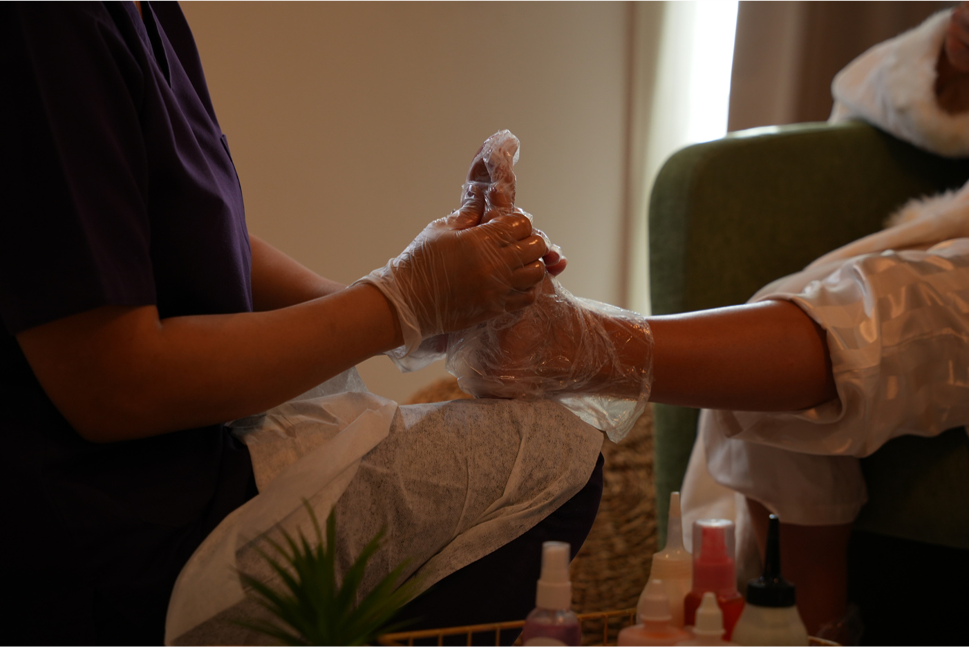
In recent years, health and hygiene have become a major focus in all sectors, particularly in the beauty and personal care industry. Beauty salons are places with high daily traffic and direct contact between staff and clients, making them vibrant environments but also susceptible to infection if necessary preventative measures are not taken.
With the increasing number of customers—especially during peak seasons, holidays, and strong comebacks after periods of closure or recession—it becomes more urgent than ever to review the salon's approved prevention protocols and ensure their effectiveness and ability to protect everyone.
Customer experience has become more conscious
Today's customers are not only looking for excellent service, but also carefully monitoring whether the salon maintains cleanliness, including the hygiene of its tools and the attire of its staff. Some customers choose to withdraw from any experience as soon as they feel unsafe or uncomfortable.
Therefore, adherence to health protocols is considered part of the salon's brand, and may even be the deciding factor in its evaluation on digital platforms or in personal recommendations.

The most important procedures followed by beauty salons to prevent infection:
- Periodic sterilization of tools and equipment
- Tools such as scissors, combs, brushes, and nail care equipment should be cleaned frequently using sterilizers, rubbing alcohol, or ultraviolet light. Whenever possible, dedicated tools should be used for each client.
- Disposing of single-use materials
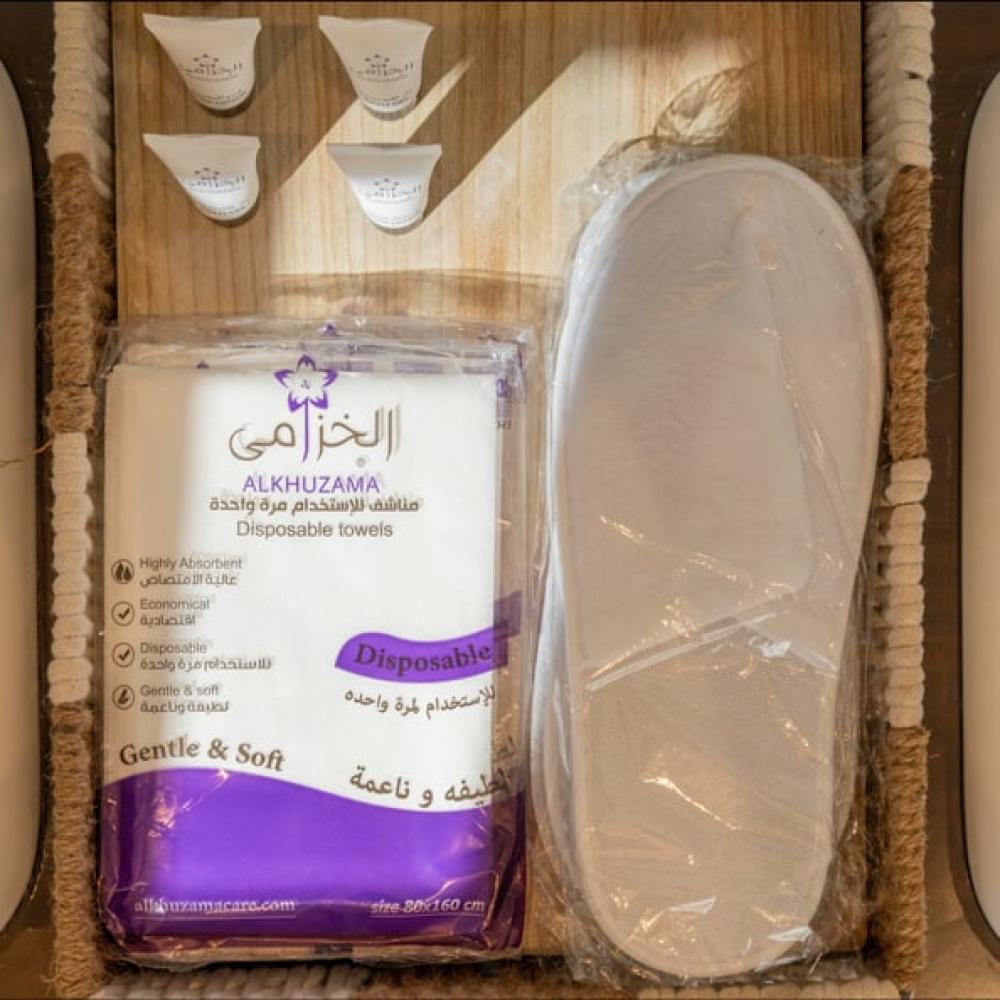
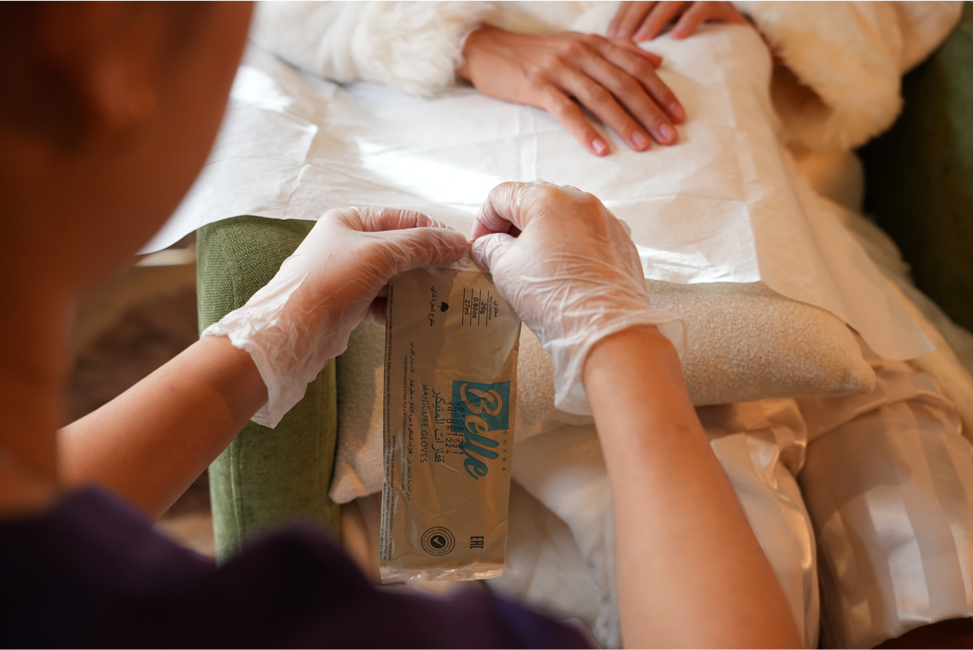
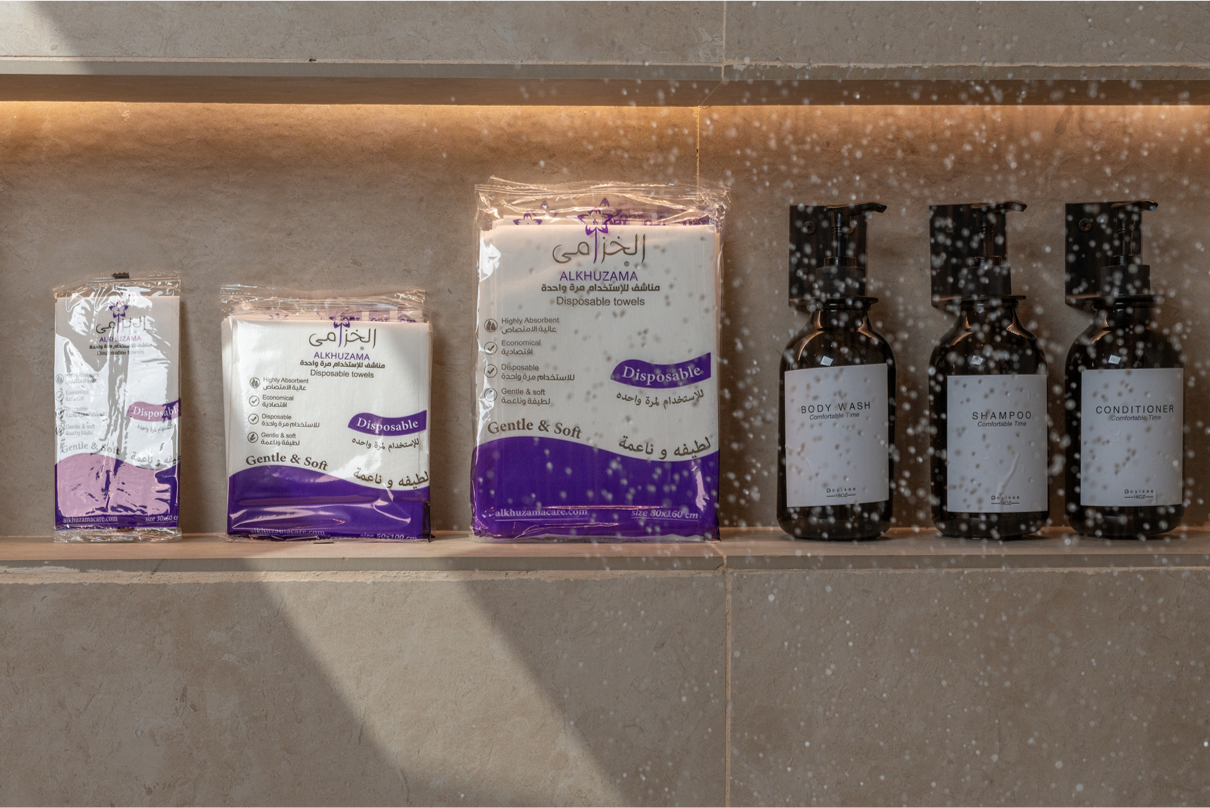
- Single-use items , such as nail cleaning sticks , gloves , or paper face towels , should be disposed of immediately after use to reduce the chances of infection being transmitted between customers.
- Workers wearing protective equipment
- This includes gloves, masks, and sometimes face shields, especially for services near the face such as makeup or facials. Gloves are also changed after each client.
- Ventilate the place well
- Good ventilation helps reduce the concentration of germs and viruses in the air. Air purifiers are used, or windows are opened periodically to ensure fresh air is maintained inside the salon.
- Determining the number of customers at the same time
- Through the advance booking system, the number of people inside the salon is controlled, ensuring that there is no overcrowding and that social distancing is maintained when needed.
- Training employees on health and safety standards
- Continuously training staff on infection prevention methods and how to handle suspected cases is a crucial factor in maintaining a high level of hygiene and professional responsibility.
- Checking the health status of customers and employees
- Some salons take temperature readings upon entry and advise customers or employees who show symptoms of illness to postpone their appointment.
Additional tips from experts:
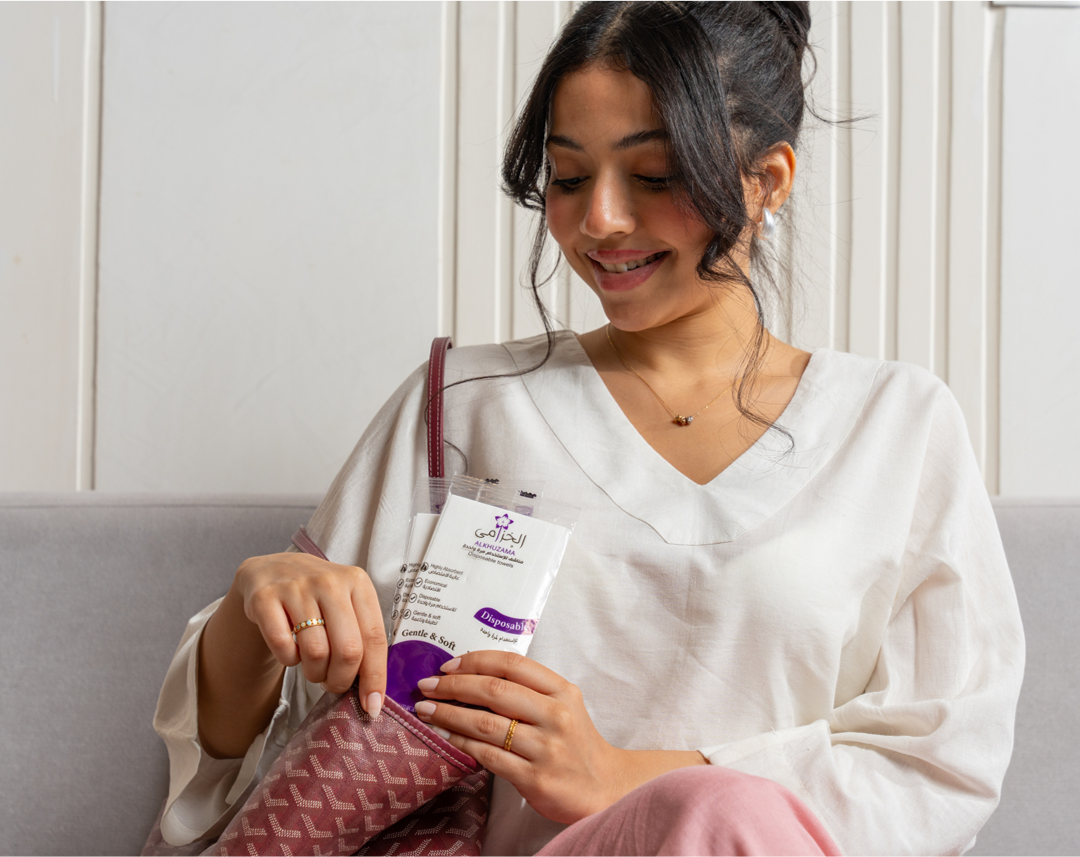
- Use freshly washed cotton towels for each customer, or disposable paper towels. Click here.
- Provide personalized tools for regular customers if possible.
- Monitor employees daily for minor health symptoms such as coughing or fatigue.
- Do not hesitate to refuse service if the customer or employee experiences worrying symptoms, while maintaining politeness and respect.
Technology in the service of cleanliness:
Some salons have started to rely on technological tools such as:
- Electronic booking systems to reduce congestion.
- Non-cash payment to reduce contact.
- Sterilization robots or automatic hand sanitizing devices.

Conclusion: Health first... then beauty
No salon can achieve sustainable success without creating a safe and clean environment that inspires customer confidence. Prevention is not only a moral responsibility but also a powerful marketing tool. Salons that demonstrate a commitment to hygiene standards earn customer trust and loyalty, which ultimately translates into long-term stability and profitability.